


ADRESSES
- 2304 Memorial Pkwy SW,
Huntsville, AL 35801 - 427 2nd Avenue SW, Suite
102, Cullman, AL 35055 - 112 West Market St.,
Athens, AL 35611 - 217 Randolph Ave SE,
Huntsville, AL 35801
Themes, Design and Player Behavior in Modern Slot Games
Slot machines have evolved from mechanical reels and spinning cherries into complex multimedia experiences. While the core mechanism—random number generation tied to payout schedules—remains central, contemporary titles layer narrative, music and visual motifs to engage players. Understanding how those elements interact with cognition and emotion helps explain why themed games persist in casinos and on digital platforms.
Historical context and cultural resonance
Themed gambling devices are not a recent invention. Early 20th-century machines used imagery that resonated with popular culture of the day, and that tendency accelerated with the advent of licensed characters and music in the late 20th century. Designers recognized that familiarity reduces friction: when a theme taps into a player’s memories or preferences, it can increase initial interest and the likelihood of trying a new machine.
Research into media effects suggests that recognizable motifs serve as cognitive shortcuts, guiding attention and shaping expectations about entertainment value. That does not mean a theme guarantees success; mechanics, volatility and payout structures remain decisive factors in long-term engagement and player satisfaction.
Design elements and psychological mechanisms
Several design features are particularly effective at shaping player behavior. Audio cues and synchronous animations reinforce wins, even small ones, by creating a sense of momentum. Variable-ratio reward schedules—where rewards occur after an unpredictable number of plays—are well documented to sustain behavior across many interactive contexts, including gaming. Near-miss outcomes and sensory feedback amplify emotional responses that can temporarily increase persistence.
Visual storytelling also plays a role. Characters, narrative arcs and thematic coherence make a game feel meaningful beyond monetary stakes, which can alter perceptions of time and risk. From a regulatory perspective, these elements become relevant when assessing whether a product unduly exploits cognitive biases or targets vulnerable populations.
Digital adaptations and themed content
As slots moved online, developers gained tools to implement richer themes and finer-grained analytics about player engagement. Digital platforms can rotate content, tailor promotional messaging, and A/B-test visual and auditory features to measure impact on behavior. That environment allows researchers and policy-makers to evaluate how specific design choices correlate with play intensity and session length.
Many online collections include titles with cultural motifs, and one widely circulated example can be found at https://elvisfrog-invegas.com/ which illustrates how music, character imagery and bonus mechanics are combined to create a cohesive user experience without changing the underlying probability structure. Studies that compare themed versus neutral designs often find differences in initial attraction but more modest effects on long-term spending when controlling for volatility and RTP (return to player).
Regulation, transparency and responsible play
Given the persuasive power of design, regulators and industry groups have emphasized transparency about odds and protections for players. Measures such as clear disclosure of RTP, cooling-off periods, and self-exclusion tools address some structural risks. Researchers recommend monitoring behavioral markers—like sudden increases in session frequency—as part of a responsible gaming framework.
Designers can contribute to safer play by implementing features that nudge toward informed decisions rather than exploiting biases. Simple interventions, such as visible play history, budget-setting tools and standardized information about volatility, can help players make choices aligned with their intentions.
Ultimately, themed slot games are a synthesis of cultural content and technical systems. They offer an informative case study in how entertainment design leverages familiar imagery and sensory feedback to shape engagement, while also highlighting the need for evidence-based policy and developer responsibility to mitigate potential harms.
contact us about your case
Still have questions? Schedule a consultation with a lawyer from our team today by calling or completing an online form
CONTACTS
OR
ADDRESS
- 2304 Memorial Pkwy SW, Huntsville, AL 35801
- 112 Market Street W., Athens, AL 35611
- 427 2nd Avenue SW, Suite 102, Cullman, AL 35055
- 5500 Southlake Park Suite 200, Birmingham, AL 35244
find us
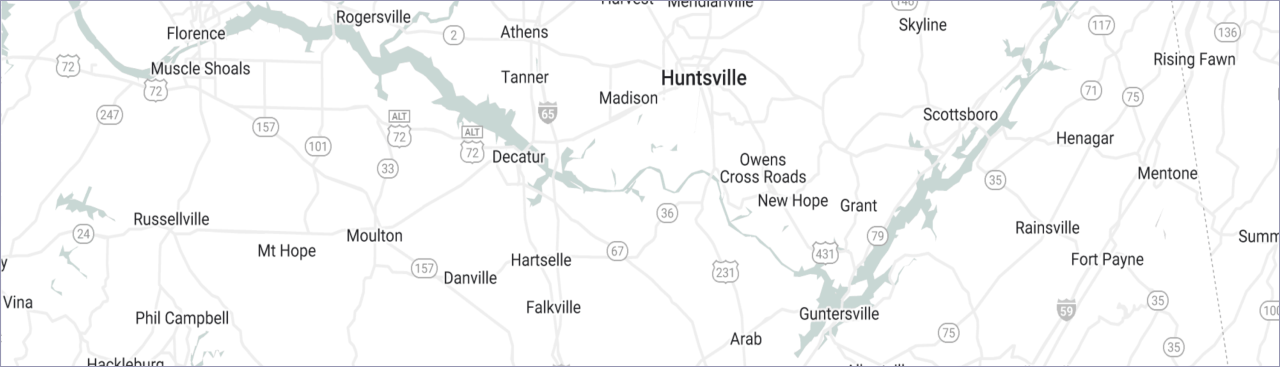
Athens office
Address: 112 Market Street W., Athens, AL 35611
Phone (English): (256) 539-4464
Google map: https://goo.gl/maps/zbu296X2SNZUi6Tr6
Huntsville
Address: 217 Randolph Ave SE, Huntsville, AL 35801
Phone (English): (256) 539-4464
Google map: https://goo.gl/maps/Li7ndJFe9u7amwQx7
Huntsville
Address: 2304 Memorial Pkwy SW, Huntsville, AL 35801
Phone (English): (256) 539-4464
Google map: https://goo.gl/maps/JrumnQm5GT4rj4j97
Cullman
Address: 427 2nd Avenue SW, Suite 102, Cullman, AL 35055
Phone (English): (256) 539-4464
Google map: https://goo.gl/maps/NLDEo3KUFMoLawMA8

huntsville offices
Main: 2304 Memorial Pkwy SW, Huntsville, AL 35801
256-539-4464
athens office
112 Market Street W, Athens, AL 35611
256-539-4464
Cullman office
427 2nd Avenue SW, Suite 102, Cullman, AL 35055
256-539-4464
© 2026. All Rights Reserved. Made with  by DD.NYC
The information on this website is for general information purposes only. Nothing on this site should be taken as legal advice for any individual case or situation. This information is not intended to create, and receipt or viewing does not constitute, an attorney-client relationship. While this firm maintains joint responsibility, most personal injury cases are referred to other attorneys for principle responsibility. Prior success is not an indication of future success. Every case is different and regardless of what friends, family or other individuals may say about a case, each case must be evaluated on its own facts and circumstances as they apply to the law. The likelihood of success in any given case depends on the facts, the jurisdiction, the venue, the witnesses, the parties and the testimony, among other factors. Furthermore, no representation is made that the quality of legal services to be performed is greater than the quality of legal services performed by other lawyers. Bankruptcy Disclaimer: We are a debt relief agency. We help people file for bankruptcy relief under the Bankruptcy Code.